Aegis Legal AI Blog
Updates, legal insights, and product news from Aegis Legal AI.
Why Software and AI Patent Claims Get Invalidated: The §112(f) Functional Claiming Trap
Software and AI patent claims that recite a "module," "unit," or "handler" performing a function — without disclosing the underlying algorithm — risk being treated as means-plus-function under 35 U.S.C. §112(f) and invalidated as indefinite. Here's how the trap works and how to draft around it.
Temu and TikTok Shop IP Complaints: What Sellers Need to Know Beyond Amazon
Amazon isn't the only platform removing listings over intellectual property complaints. Temu, TikTok Shop, Walmart, and eBay all run their own IP enforcement systems — and they're getting faster. Here's how platform IP complaints work outside Amazon and what sellers can do about them.
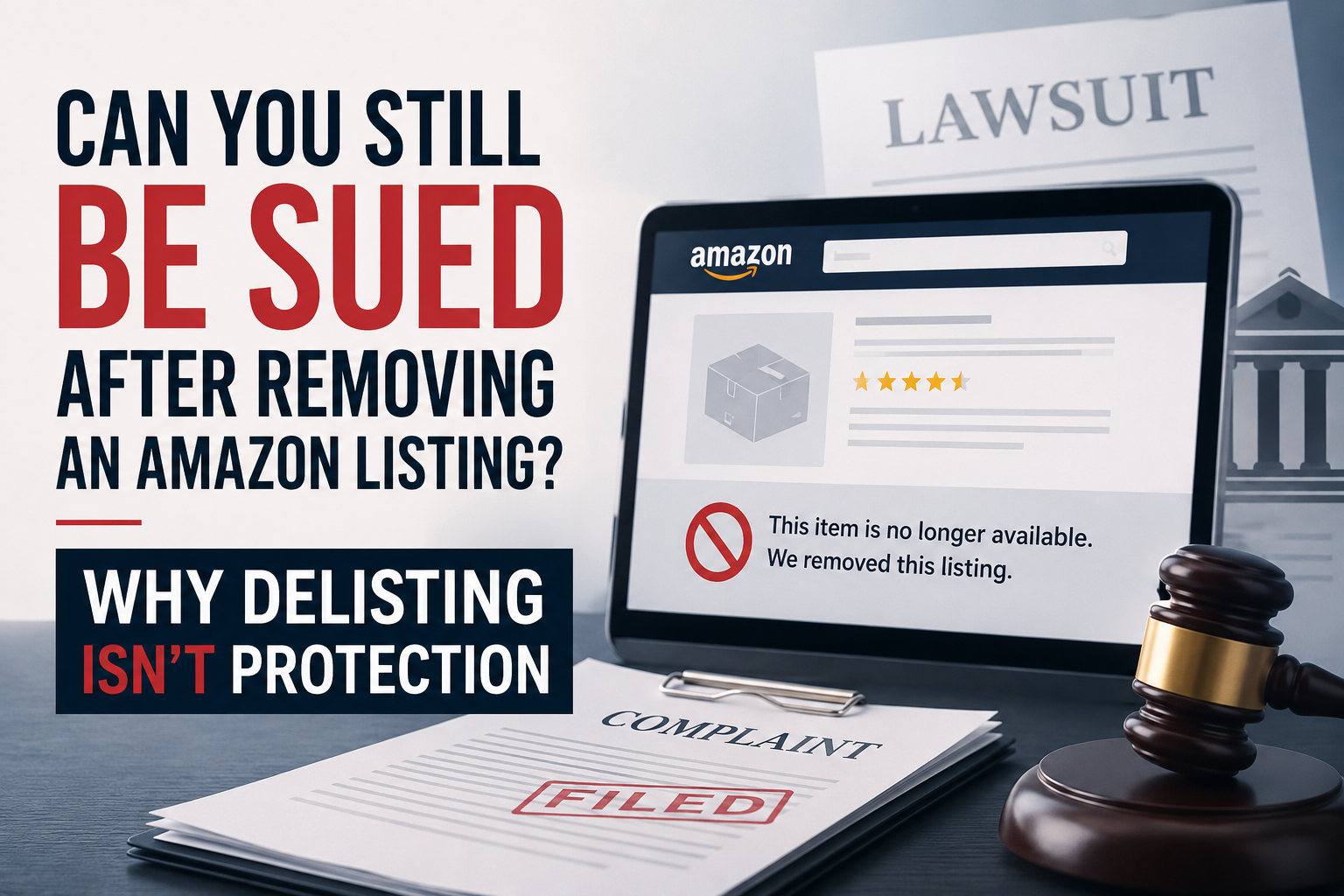
Can You Still Be Sued After Removing an Amazon Listing? Why Delisting Isn't Protection
Many sellers believe that once they delist an infringing product, the risk is gone. It isn't. Through the courts, a brand can pull a store's full sales history and file a TRO long after a listing came down. Here's why delisting isn't protection — and what to do instead.
Is Mickey Mouse Public Domain? What Sellers Get Wrong About Public-Domain Characters
Yes, a specific early version of Mickey Mouse is in the public domain — but the modern character is not, and trademark rights can still apply. This guide explains what "public domain" really means for characters like Mickey and Winnie the Pooh, and why selling them is riskier than sellers assume.
Someone Was Injured by Your Product. What Happens Now?
If a customer is injured using your product, you can be sued in the US even if your product met industry standards. This guide explains the three types of product-liability claims, why the platform's lawyer isn't protecting you, and the steps to take in the first 24 hours.
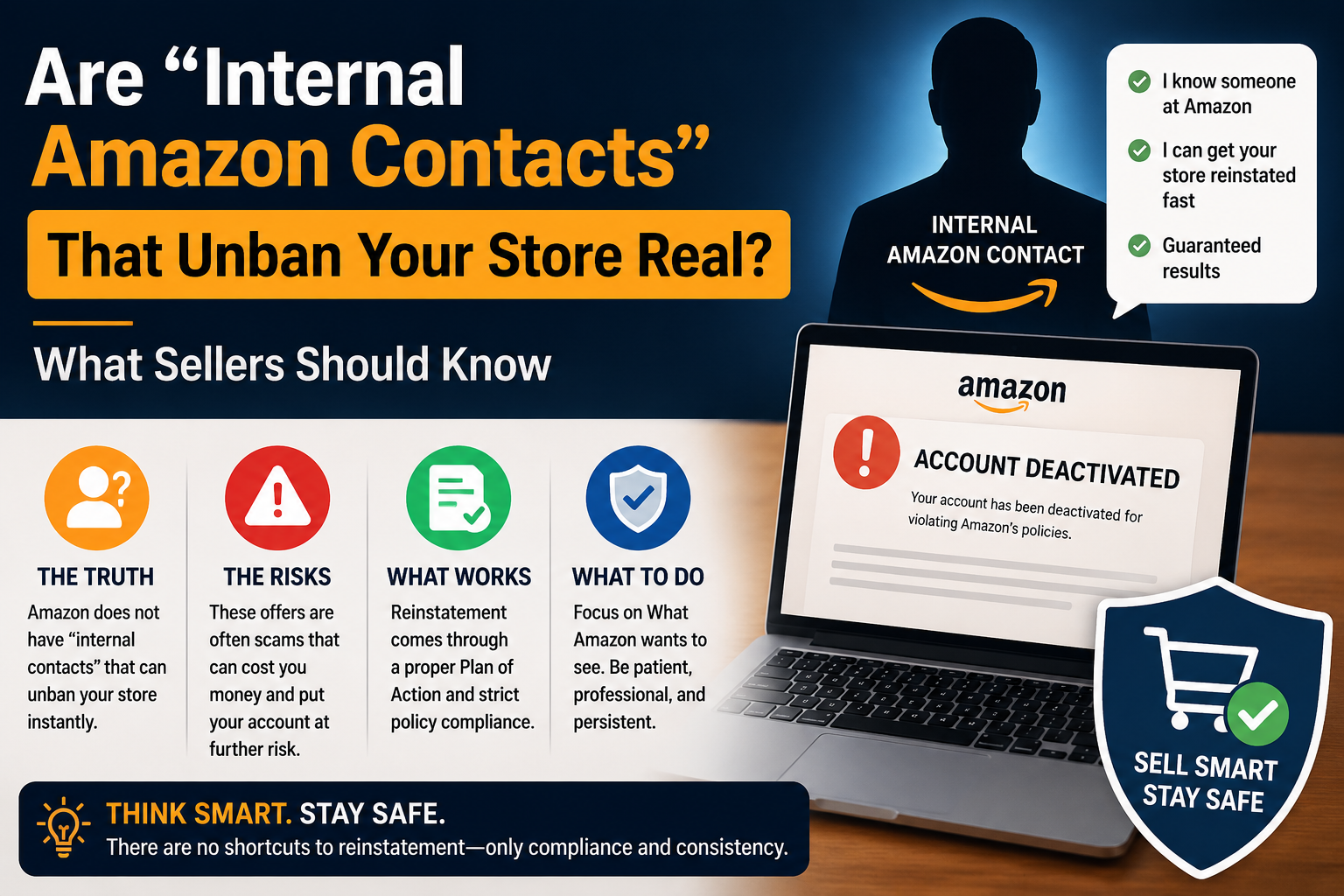
Are "Internal Amazon Contacts" That Unban Your Store Real? What Sellers Should Know
No. There is no reliable evidence that "internal Amazon contacts" can unban a store, and sellers who pay for "force-open" services often end up permanently banned. This guide explains how these services work, why they backfire, and the legitimate reinstatement steps (starting with Amazon's appeal process) that genuinely improve account recovery.
Amazon Froze Your Funds and Won't Release Them? What Sellers Can Do
When Amazon freezes a seller's funds and keeps them, a platform appeal isn't always the end of the road. This guide explains why — and how one seller recovered over $300,000 in withheld sales proceeds, plus interest, through US arbitration.
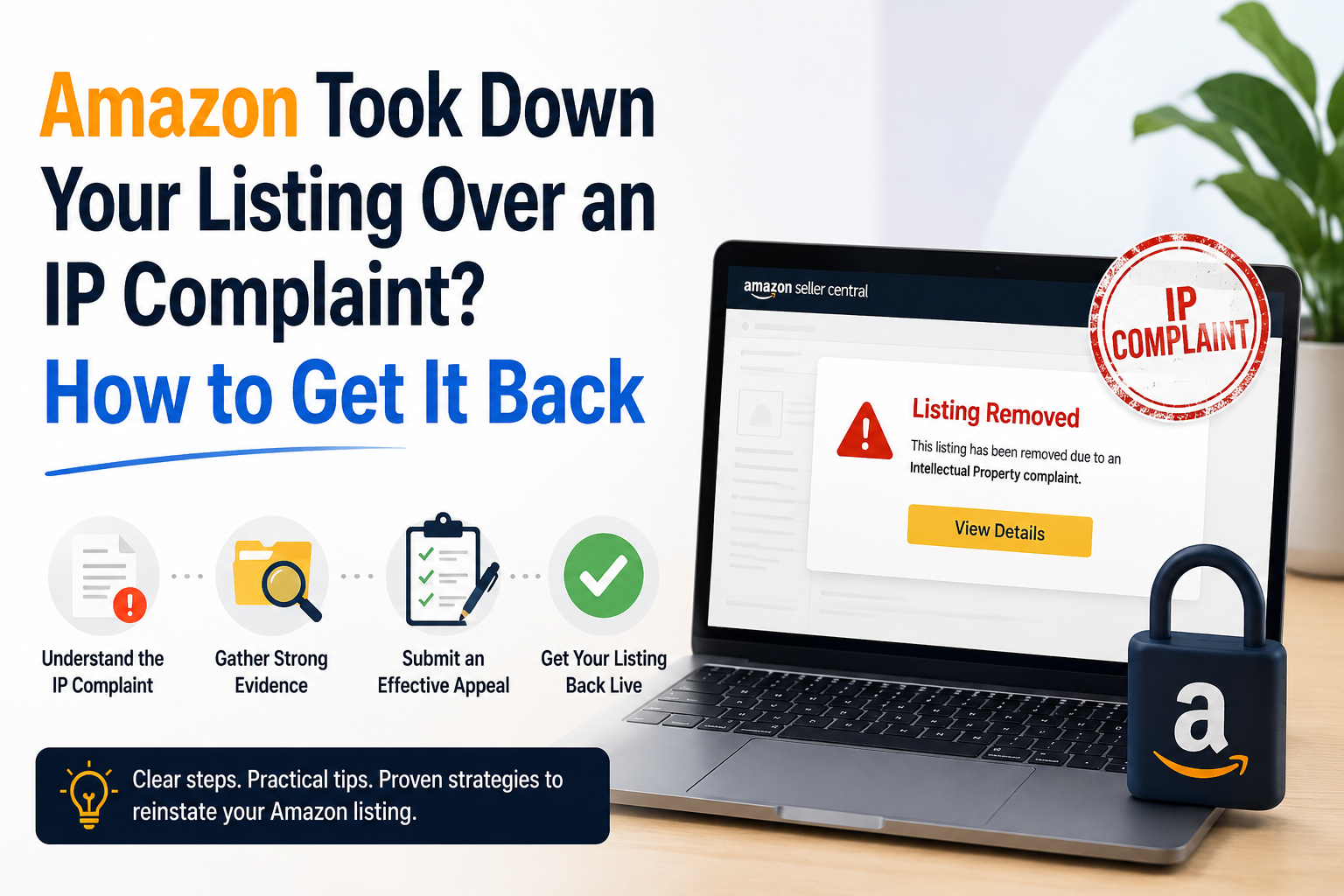
Amazon Took Down Your Listing Over an IP Complaint? How to Get It Back
When Amazon removes your listing after an IP complaint, the lost inventory is rarely the real problem — it's the ranking and reviews you lose when you have to relist. Here's why dashboard appeals so often fail, how listing recovery actually works, and the steps that get a listing restored.
What Is a TRO? A Complete Guide for Amazon and Cross-Border Sellers
: A TRO (Temporary Restraining Order) is a US court order that can freeze your Amazon funds and pull your listings — often before you know a lawsuit exists. This complete guide explains what a TRO is, how to tell if you've been hit, what's really at stake, and the four ways to respond.
Can You Sell Emoji Products? What Sellers Get Wrong About Trademarked Characters and Cultural IP
Most online sellers assume emoji, memes, and popular internet characters are free to use commercially. Often they're not. Here's how trademark and licensed-character rights actually work for cross-border sellers, why "everyone uses it" is not a defense, and how to check before you list.
Can You Use Images You Found Online? What Amazon Sellers Get Wrong About Copyright
Many online sellers assume that if their product is legitimate, the images on their listing are fine — or that editing a photo or regenerating it with AI makes it safe to use. Often it doesn't. Here's how image copyright actually works for cross-border sellers, why it's a rising source of lawsuits, and how to stay clear of it.
Someone Copying Your Patented Product on Amazon? How to Use a TRO to Stop Them
If copycats are selling knockoffs of your patented product on Amazon, owning the patent isn't enough — you have to enforce it. Using a real case, here's the step-by-step process: building evidence, filing for a TRO (Temporary Restraining Order), freezing the infringers' funds, and settling from a position of strength.
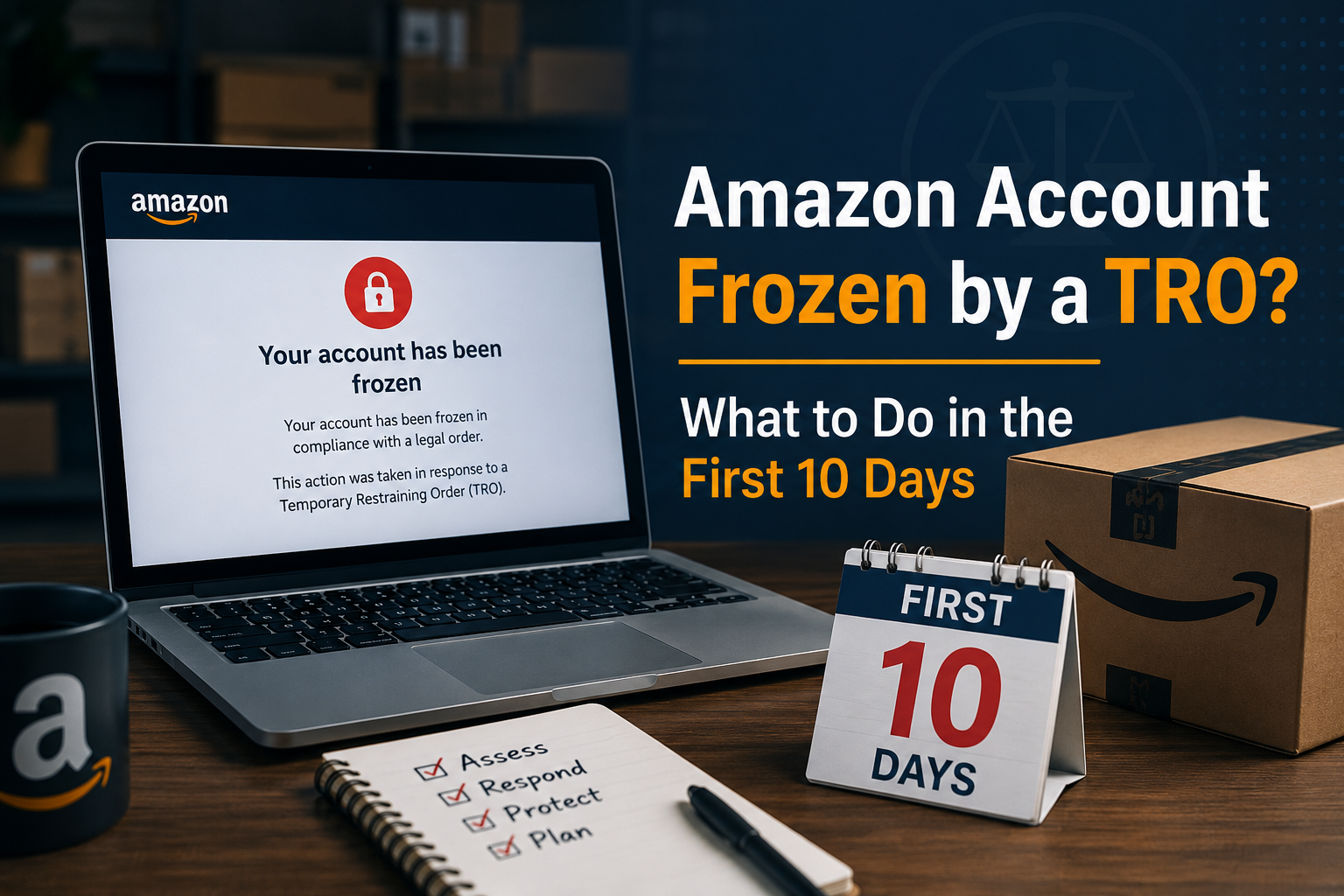
Amazon Account Frozen by a TRO? What to Do in the First 10 Days
A Temporary Restraining Order (TRO) can freeze your Amazon funds and pull your listings overnight — often with little warning. Using a real case, here's why the closing window matters more than the dollar amount, and the three moves that got one seller unfrozen before it was too late.
Welcome to the Aegis Blog
An introduction to shared updates from Aegis Legal AI and Aegis IP Law.